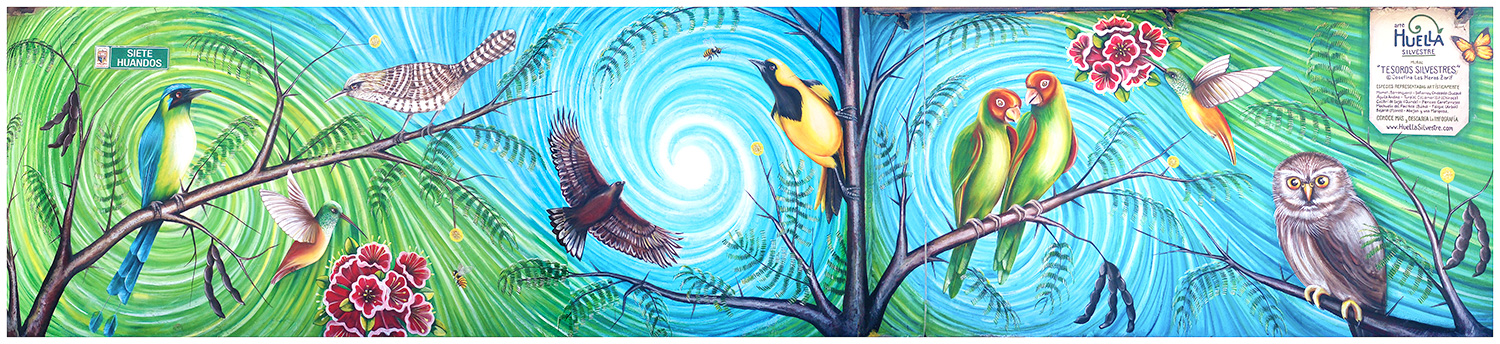
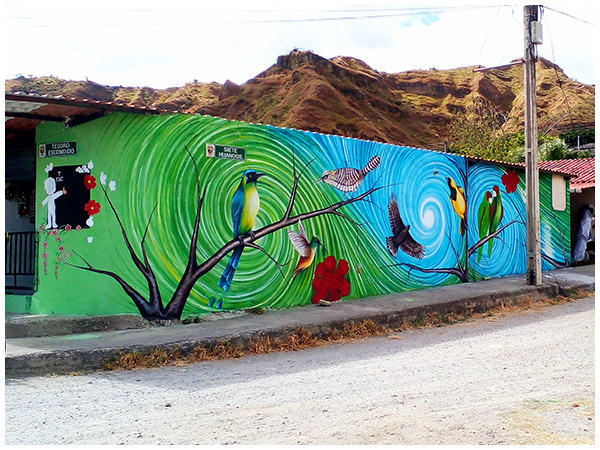
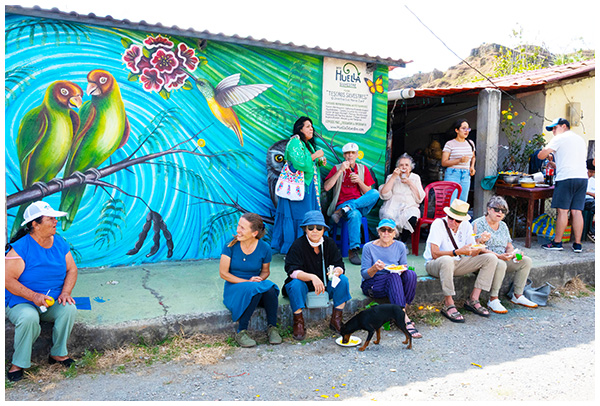
Mural N° 1

“WILD TREASURES”

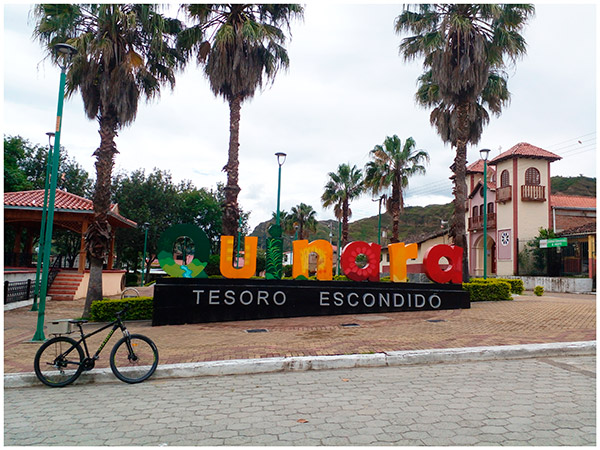
Quinara - Loja - Ecuador

Year: 2026
Artist: Josefina Las Heras Zarif
Dimensions: 12 × 3 m
36 m² of Public Art

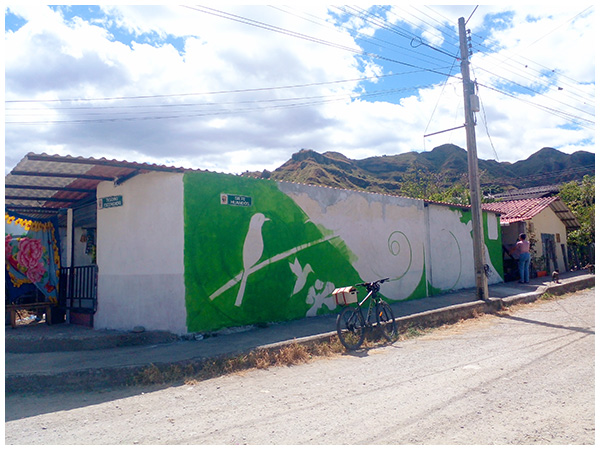
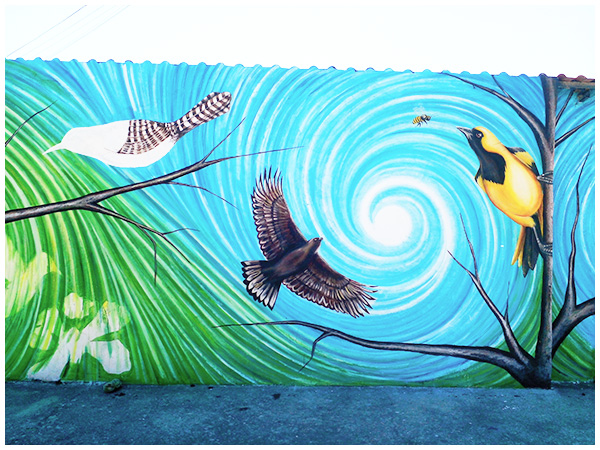
ts mural completo

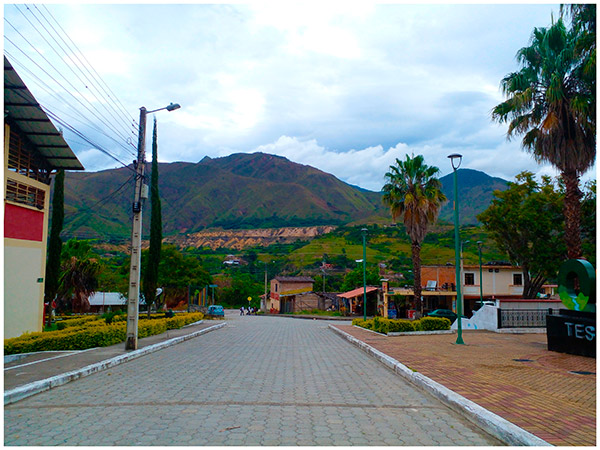
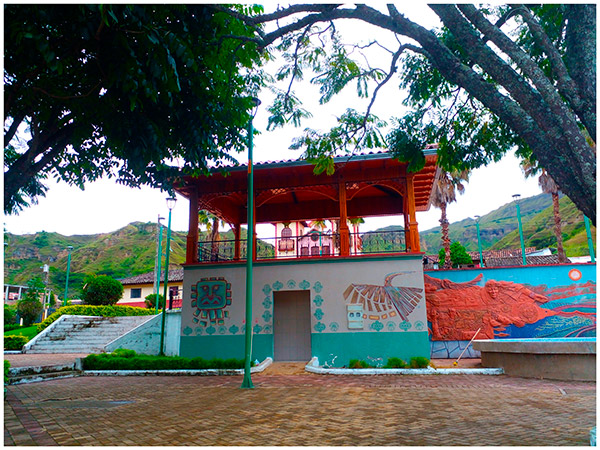
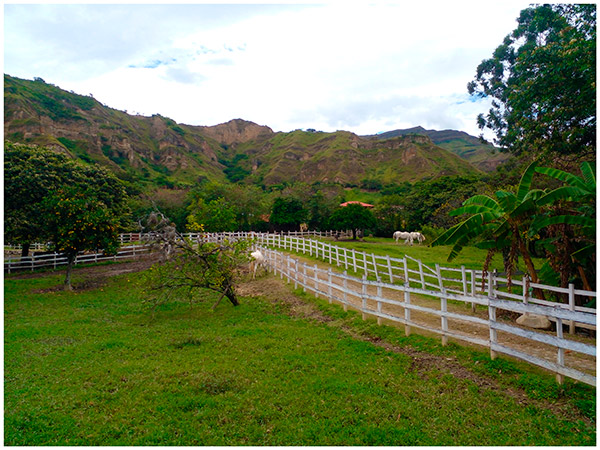
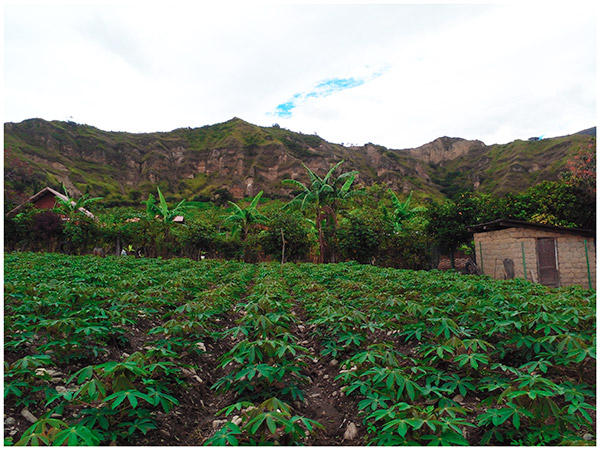
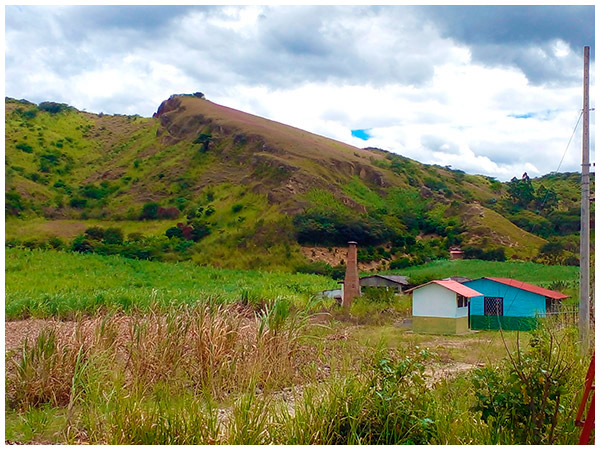
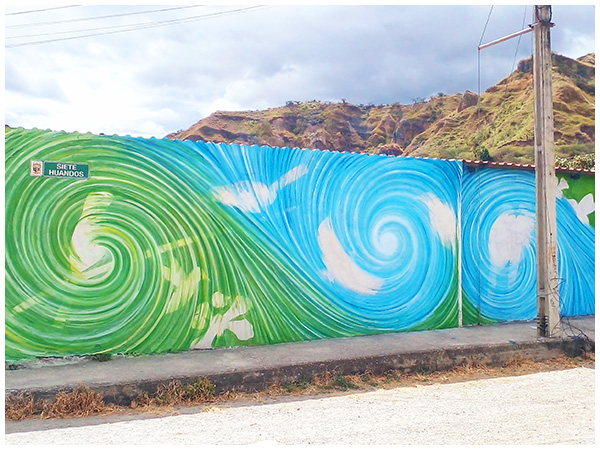
In southern Ecuador, in the province of Loja, Quinara stretches between mountains and green landscapes, where life maintains a deep connection with the land. The Palmira River flows through this Territory, accompanying the work and everyday life of its inhabitants.
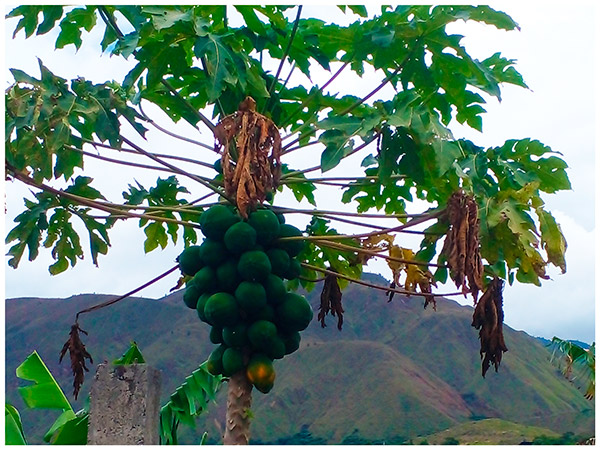
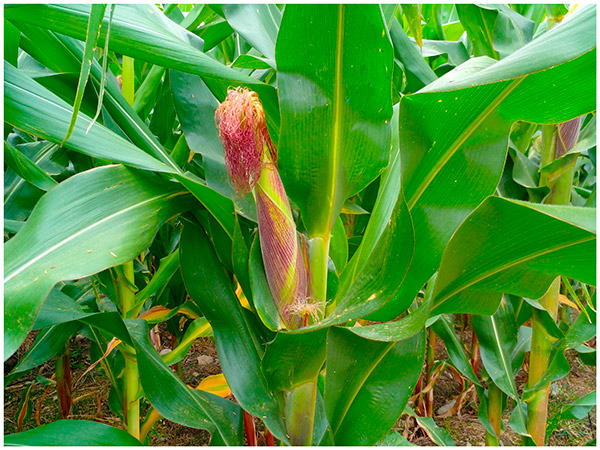
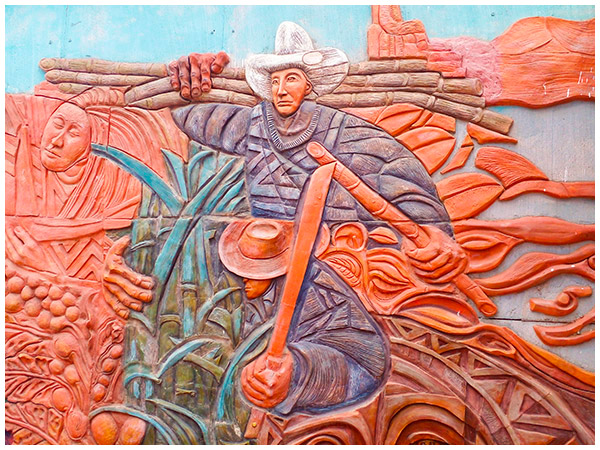
Agriculture and livestock farming are essential to local life. Coffee, sugarcane, maize, cassava, fruits, and family gardens grow in its lands, alongside small mills that transform sugarcane into panela (unrefined cane sugar). These inherited practices reflect the knowledge, effort, and close relationship between the community and its surroundings.
The mingas (collective community work), celebrations, and cooperation among neighbors keep community life alive and strengthen an identity based on mutual support.

Surrounded by the natural richness of Podocarpus National Park, Quinara forms part of a landscape of transition between Andean and tropical environments, where diverse ecosystems and forms of life converge. Although close to the city of Loja, it maintains its own identity, rooted in simplicity and respect for Nature.

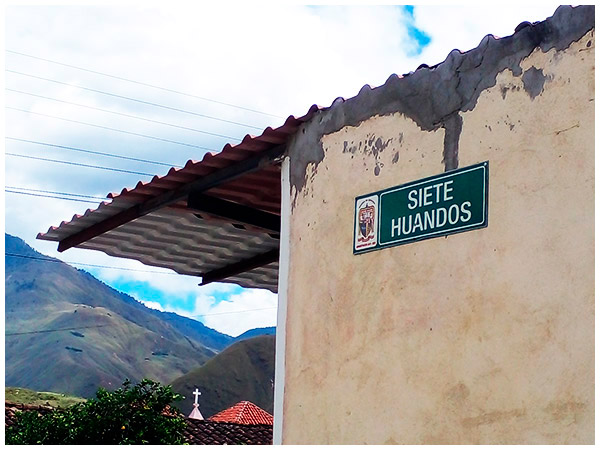
Among its hills, an ancient legend still endures: that of the Seven Golden Huandos (loads of gold), which were supposedly hidden after the death of Atahualpa. Sought for many years, the supposed Treasure remains shrouded in mystery and, according to tradition, can only be revealed to those who arrive with pure intentions.

Inspired by the natural and cultural richness of this Territory, the Mural is titled “Wild Treasures.”

Quinara is known as the Hidden Treasure, a name linked to the ancient legend of the Seven Golden Huandos, according to which part of Atahualpa’s ransom was supposedly hidden in these lands and remains, to this day, shrouded in the mystery of oral tradition.

As I explored Quinara, experienced its landscape, and observed the life that inhabits it, I discovered that the true wealth of this Territory lies in what is Alive: its mountains, forests, rivers, plants, animals, and the diversity of life that makes this place a unique Territory.

And so “Wild Treasures” was born, as an invitation to recognize as Treasure what is often right before our eyes and, precisely because it is so close, we stop seeing.

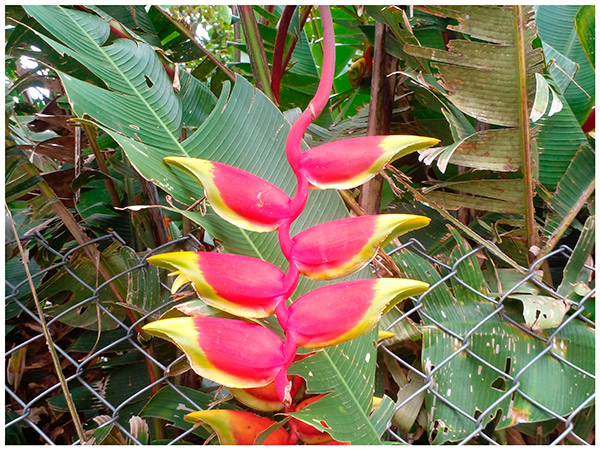
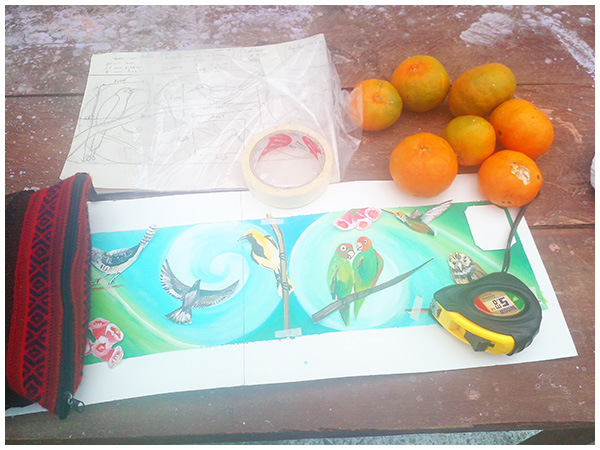
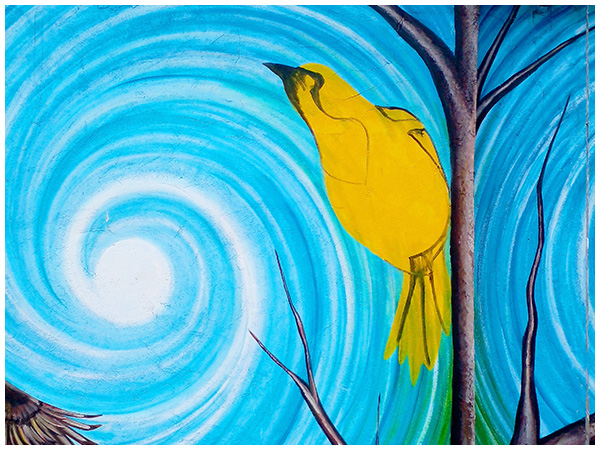
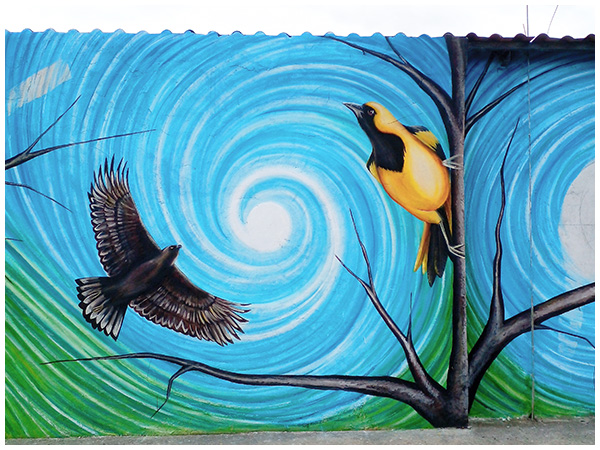
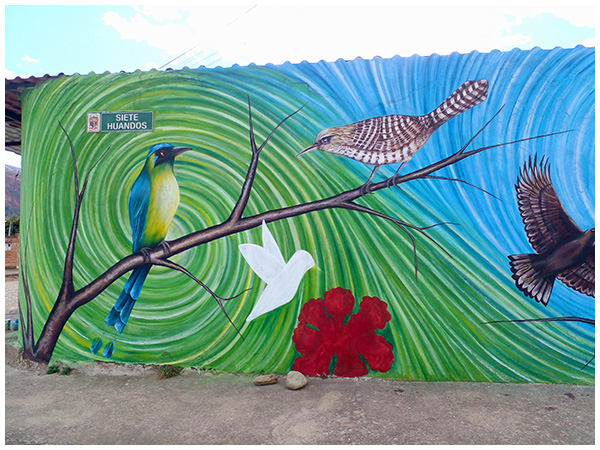
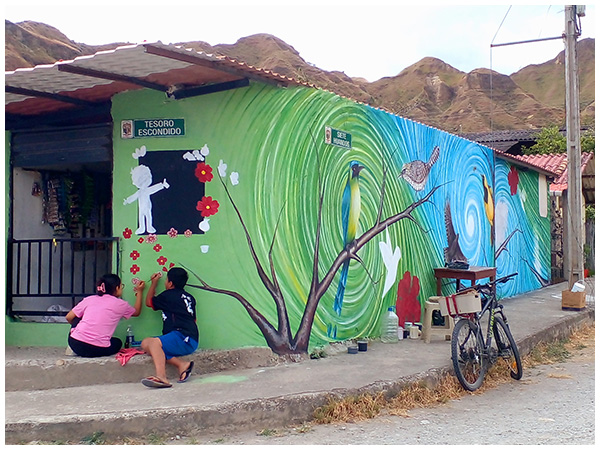
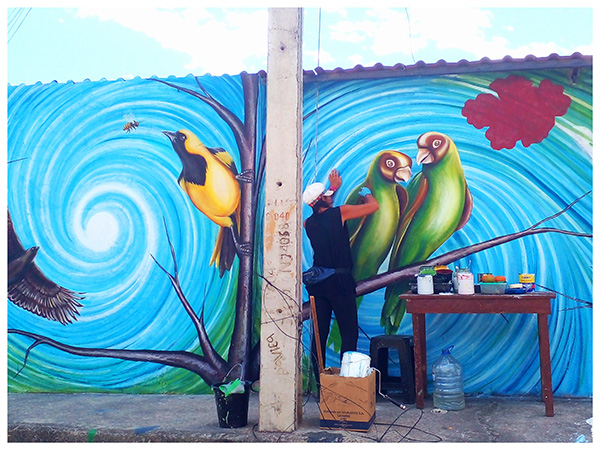
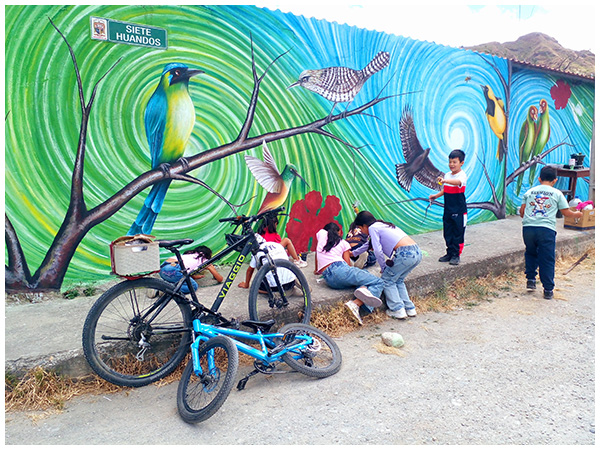
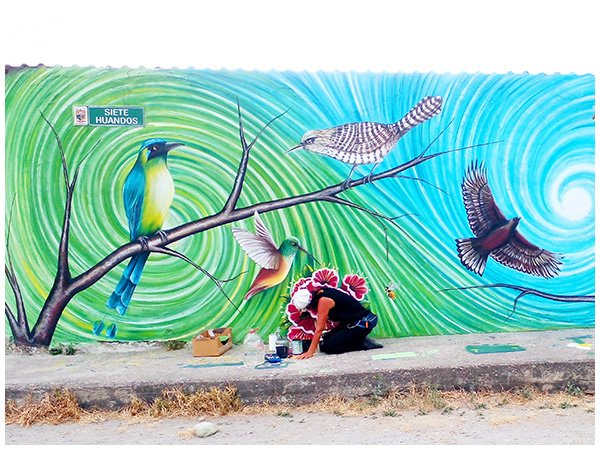
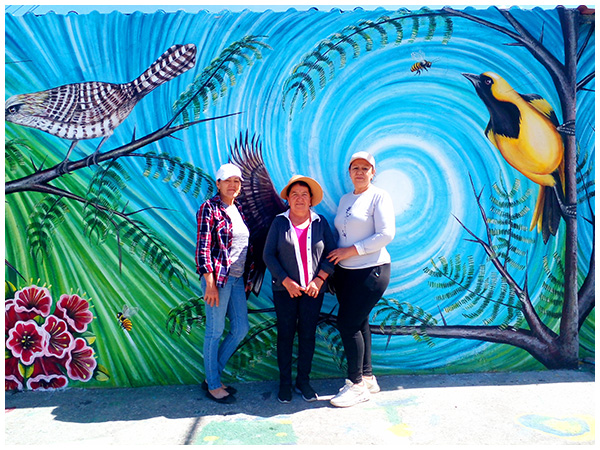
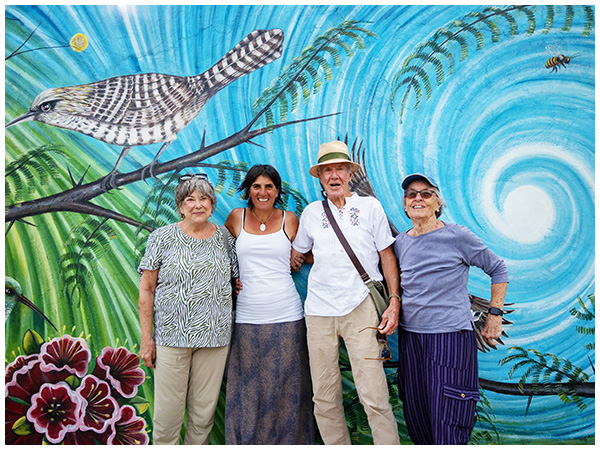
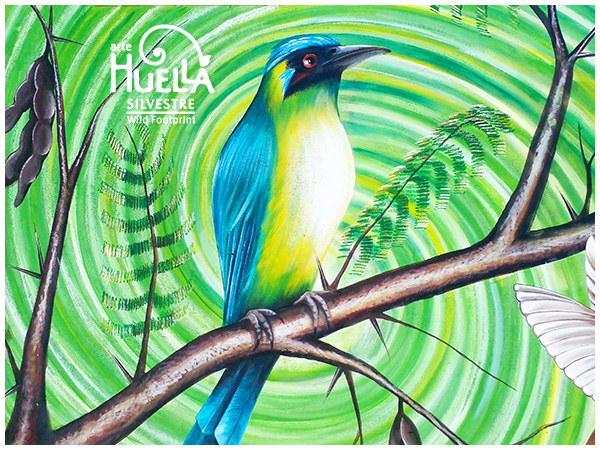
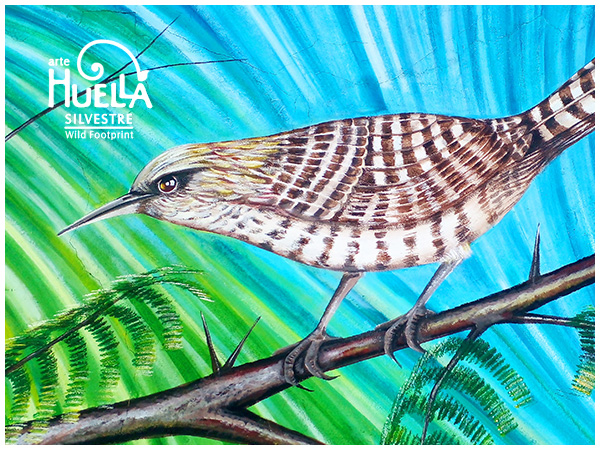
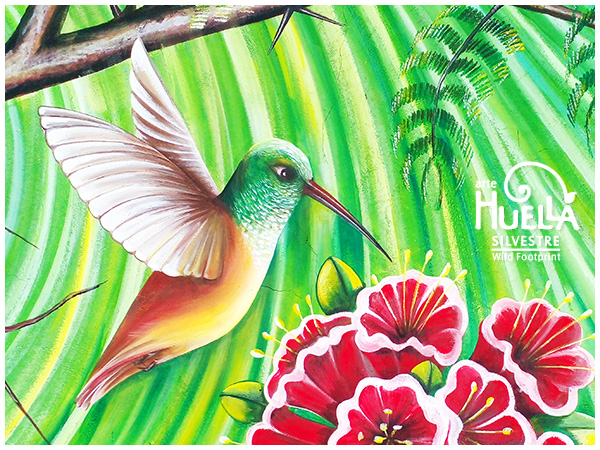
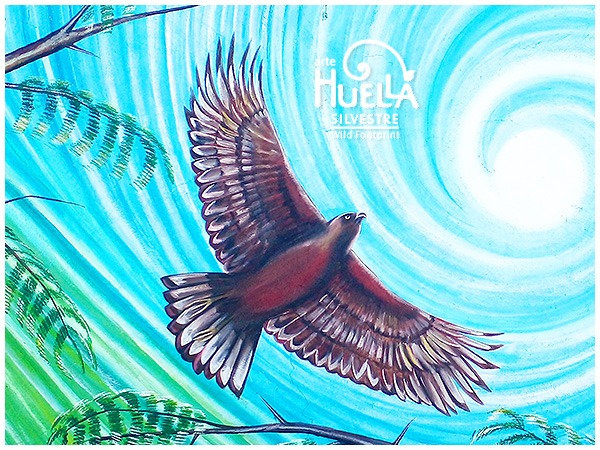
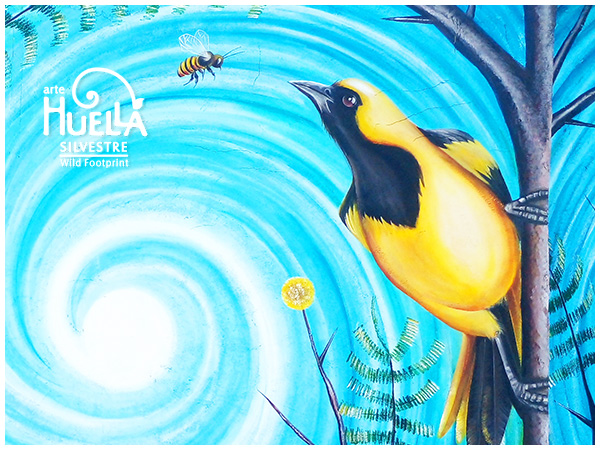
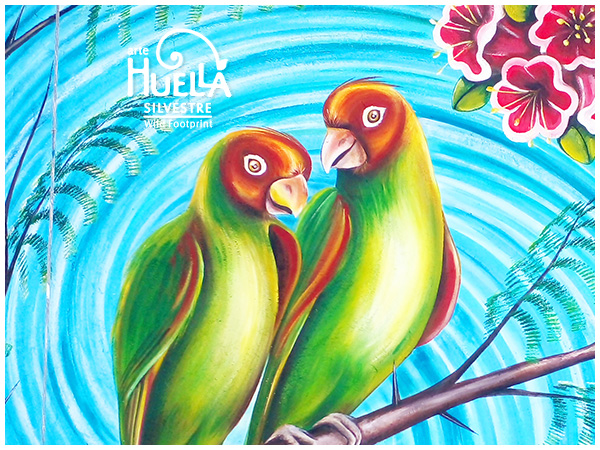
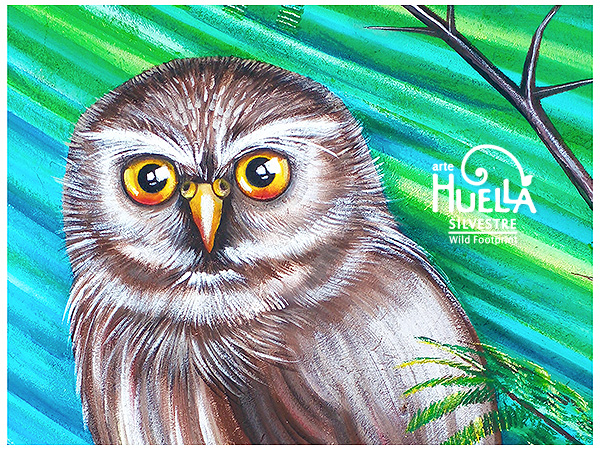
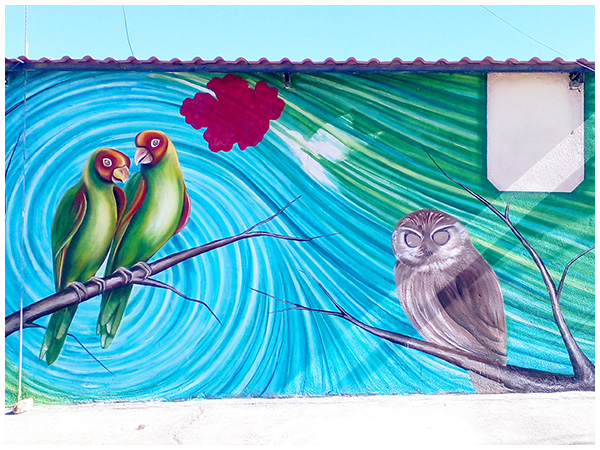
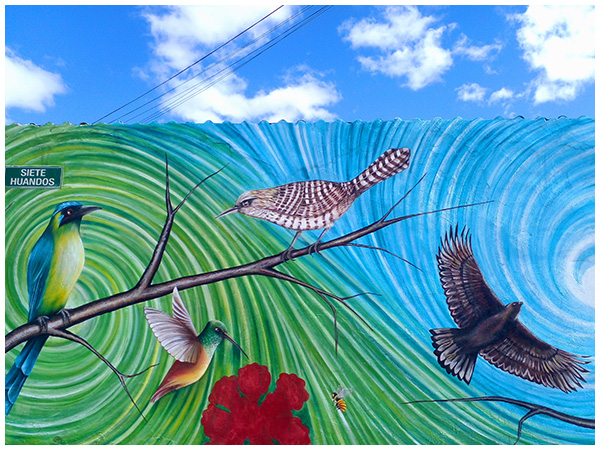
The Mural represents various bird species connected to this Territory, integrated with elements of the local Flora. Each one was selected and studied as part of an artistic representation of the biodiversity that inhabits these landscapes.

The Birds thus become protagonists and symbolic representatives of these Wild Treasures. They do not guard the hidden gold: they represent a wealth that sings, flies, sows, and blooms.

That is why this Mural seeks not only to represent Nature, but to make it visible through Art.

Because knowing a species is the beginning of seeing it.
Seeing it is the beginning of recognizing it.
And recognizing it also opens the possibility of valuing and protecting it.

Every work begins with an idea, but it is through its physical manifestation that the idea comes to life.

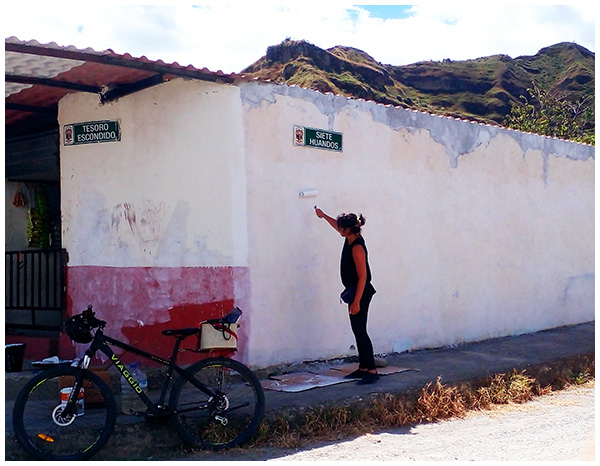
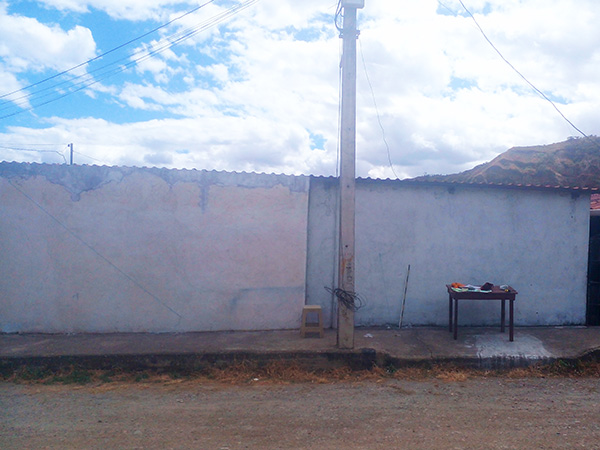
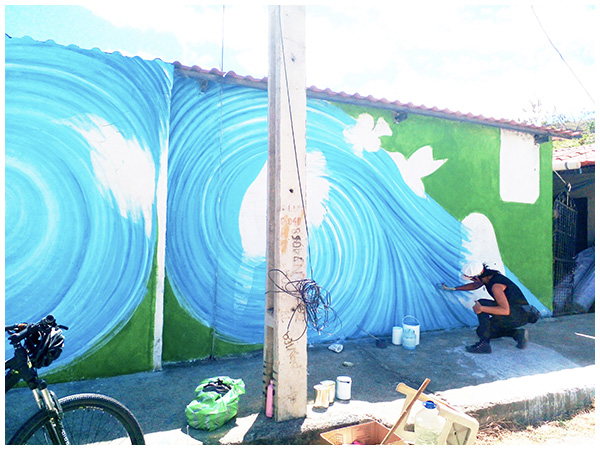
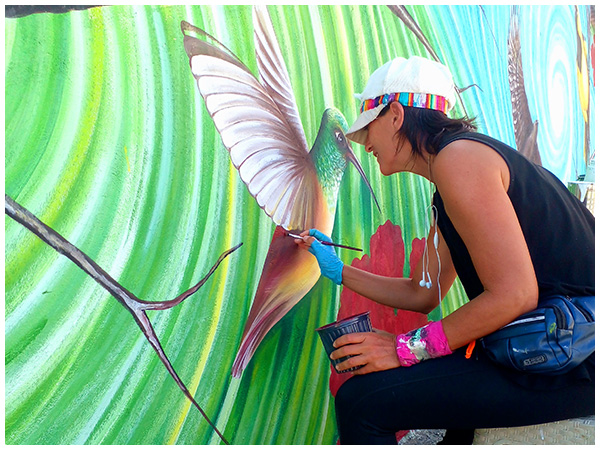
After researching, exploring the Territory, selecting the Species, and developing the concept, the time came to bring it to the wall: to turn my dream into a work of Public Art.

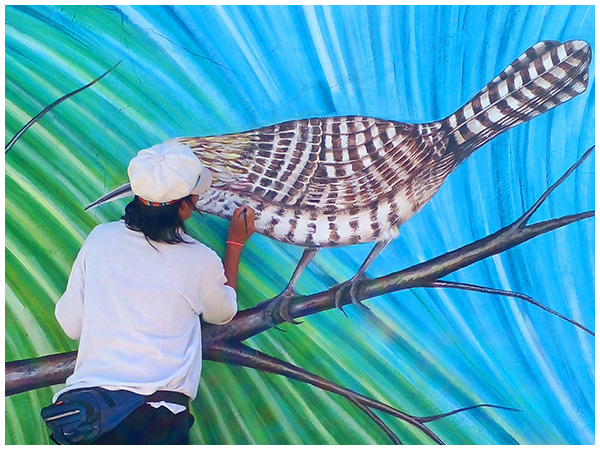
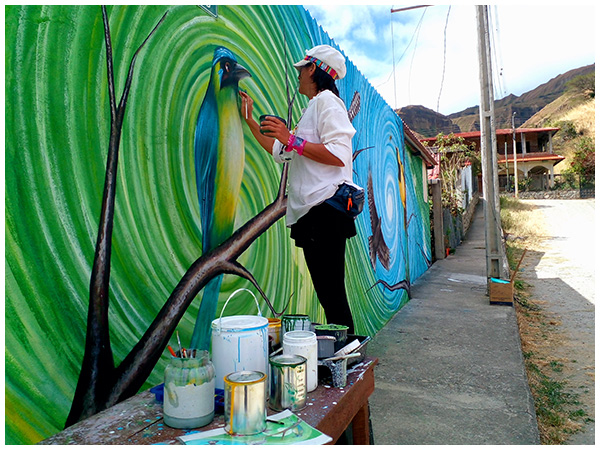
I knew that, if I did not want my words to be carried away by the winds of those days, I had to turn them into actions… And so I began to paint… my Birds onto the Canvas.

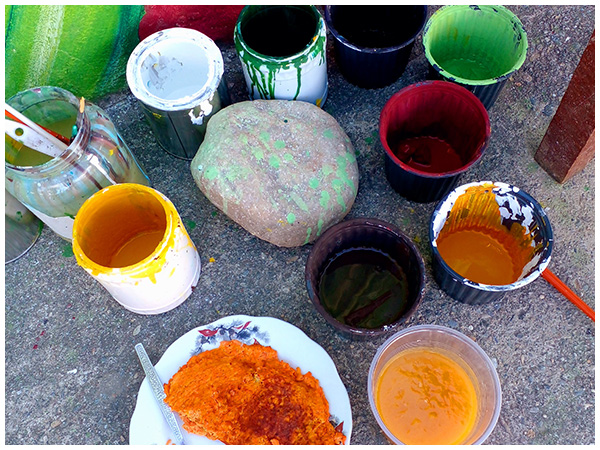
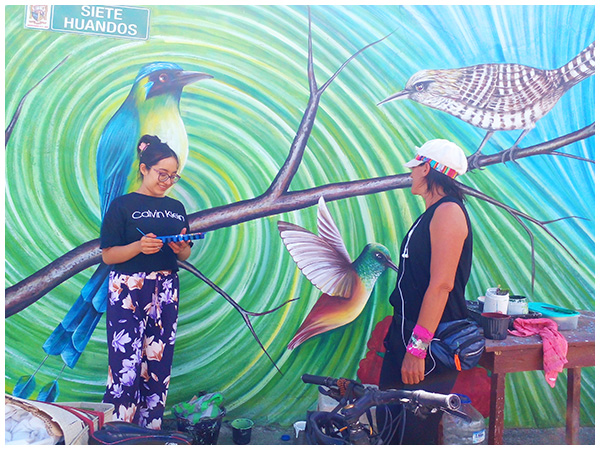
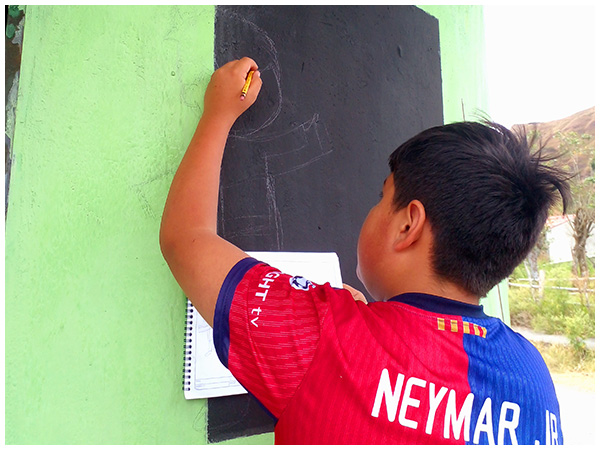
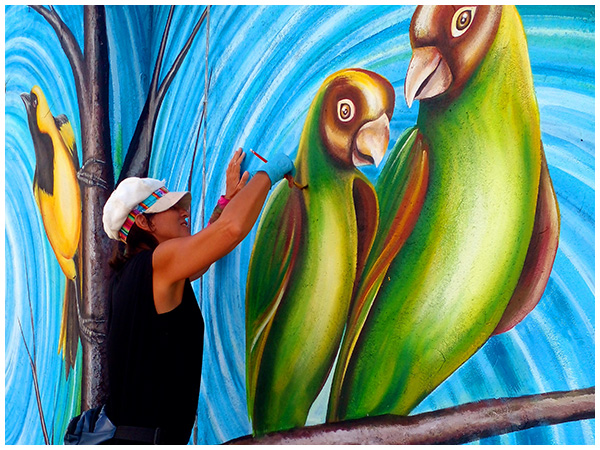
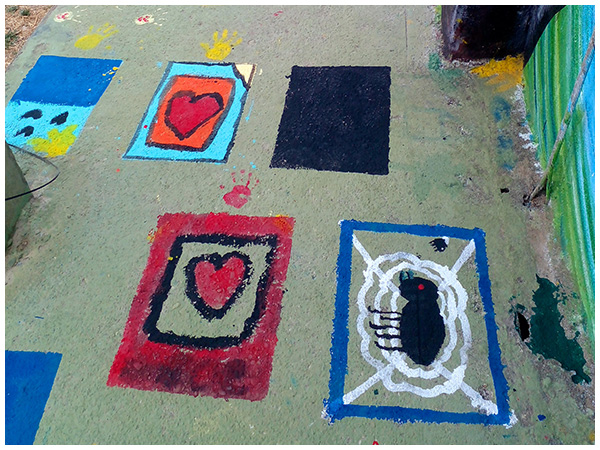
Below, a glimpse into the creative process behind Tesoros Silvestres, from the first strokes to its transformation into a 36 m² Mural.

The Mural represents various bird species connected to this Territory, integrated with elements of the local Flora and biodiversity.

Each species was interpreted through the language of Art, respecting its essential characteristics and identity. The purpose is to bring these species closer to the public, awaken curiosity about them, and highlight the natural wealth of these landscapes.

Below, you can discover the species represented in Tesoros Silvestres and access the educational material that complements the work.

• Andean Motmot (Barranquero Andino)
• Amazilia Hummingbird (Quinde)
• Fasciated Wren (Soterrey Ondeado / Sucaca)
• Black-and-chestnut Eagle (Gavilán Cachudo or Ugabanga)
• Yellow-tailed Oriole (Chiroca)
• Red-masked Parakeet (Periquito de Máscara Roja)
• Peruvian Pygmy-Owl (Mochuelo del Pacífico / Búho)
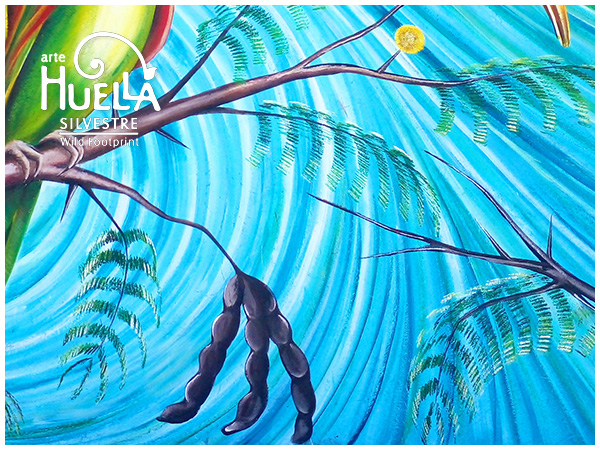
• Faique
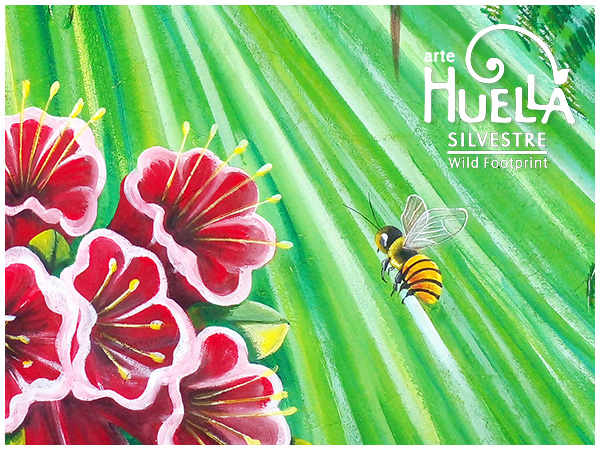
• Honey Bee
• Bejaria
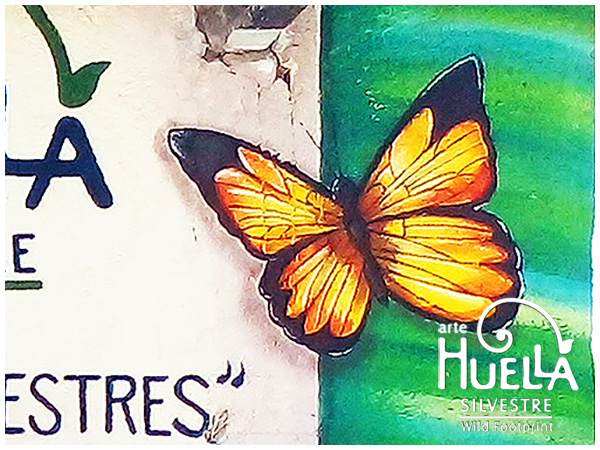
• Butterfly

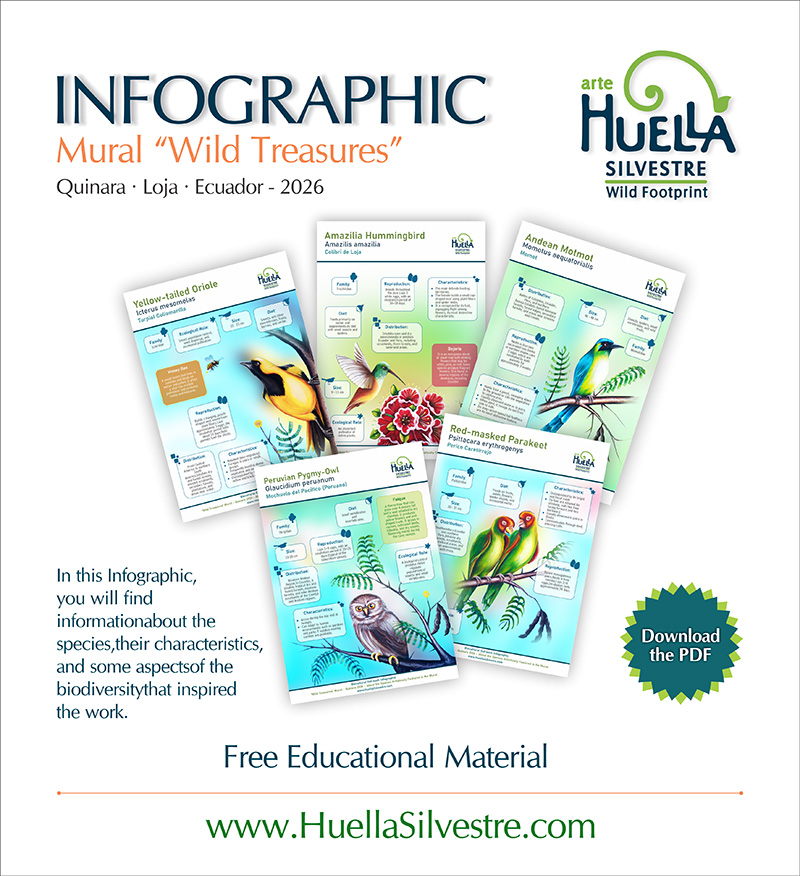
Discover in greater detail the Birds and Flora represented in the Mural.

This Infographic is a guide to the species represented in the Artwork, featuring information about their characteristics and some aspects of the biodiversity that inspired its creation.

Value the Dedication Behind the Work Behind every work there is research, travel, materials, time, artistic work, and a deep dedication to the Territory.

If this work, this Project, or its purpose holds value for you, you can recognize that effort by acquiring one of my Artistic Pieces, Digital or Physical.

Each acquisition is a way of valuing and supporting my work as an Artist, while helping this independent Project continue to develop with freedom and Coherence.

The “Tesoros Silvestres” Mural was created to be seen and shared in public space.

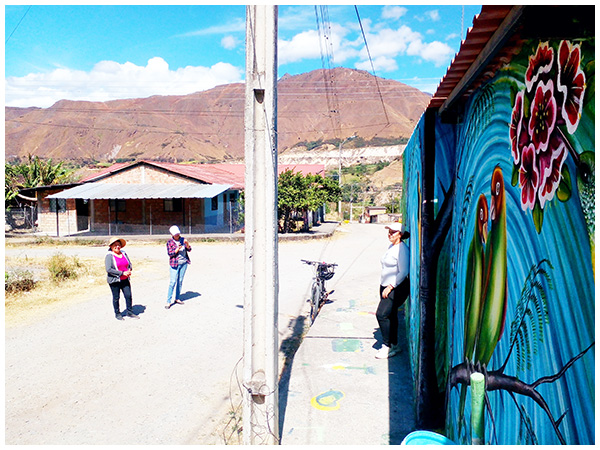
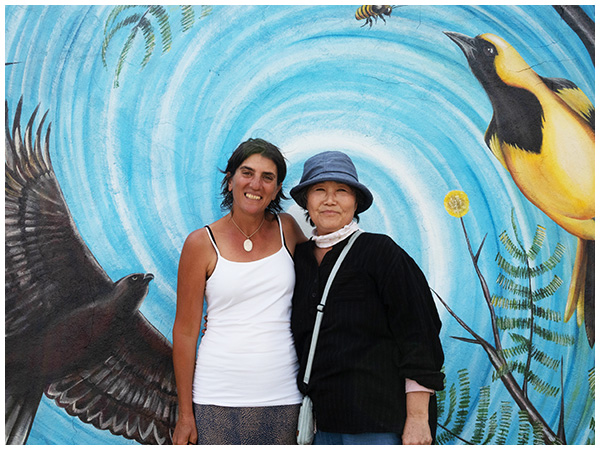
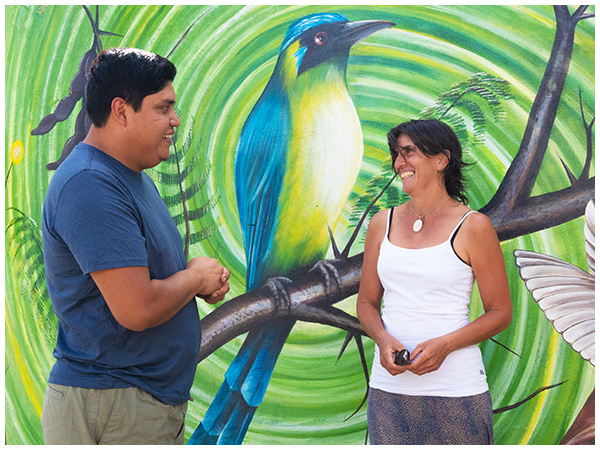
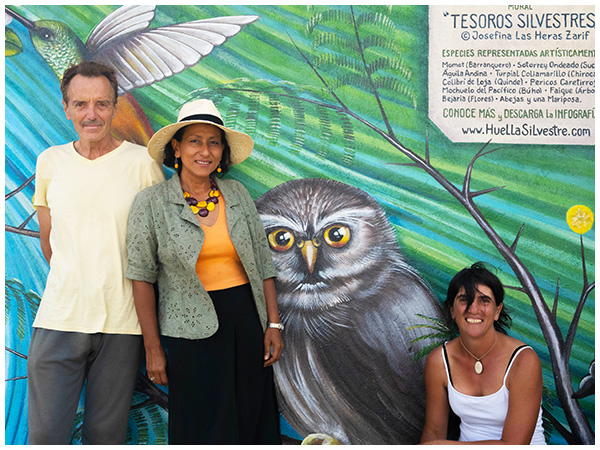
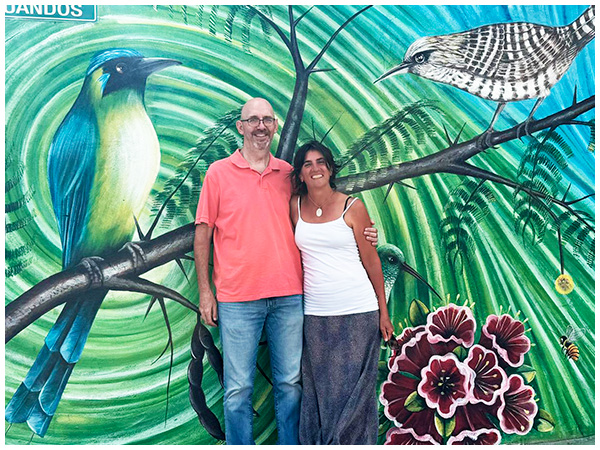
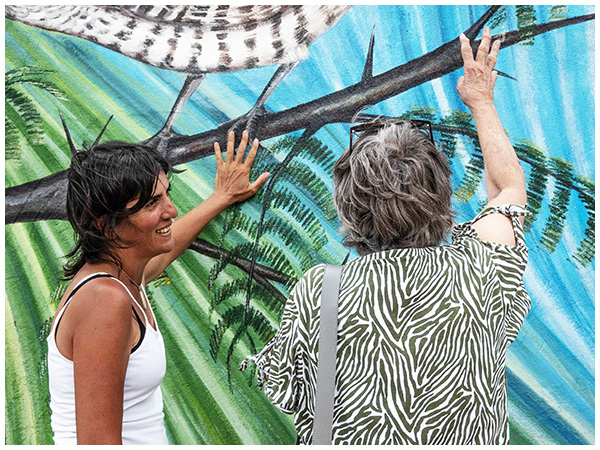
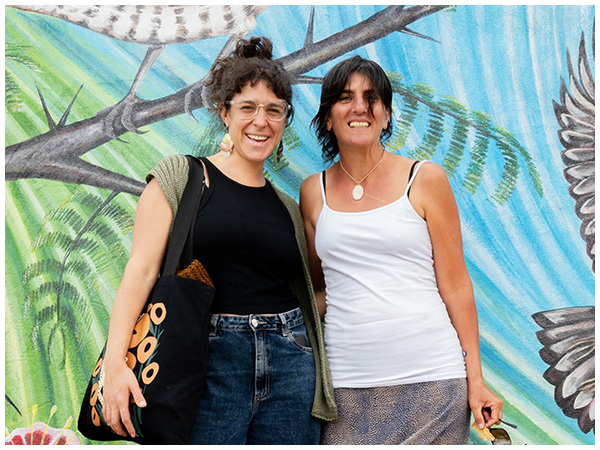
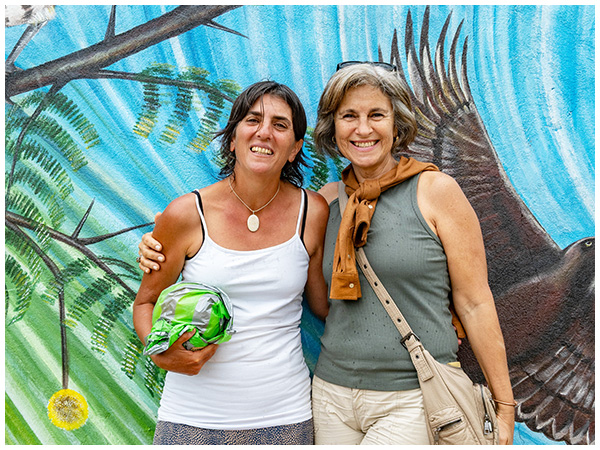
If you visit Quinara, you can come to the place where the work came to life and experience it directly in its Territory. You can also take photographs with the Mural and help share the value of Art and Nature.

Find its location on Google Maps and come discover it.

• To those who believed without seeing.
• To those who shared and helped spread the Project.
• To those who purchased my various Artistic Pieces and made it possible for me to raise the funds needed to paint.
• To those who advised, inspired, and cared for me.
• To my Friends of the Soul, who are always with me.
• To my brothers. To my Family.
• Thank you to Alejandra, Rosita, Neymar, and Silvio, the family who allowed me to paint on their wall. They cooked such delicious meals for me every day and helped me with everything I needed.
• Thank you to the Community of Quinara.
• Thank you to all the Guardians of Nature who, from different places and through their studies, observations, photographs, and knowledge, generously share information about Wild Flora and Fauna, which became a source of knowledge and inspiration for the creation of this Mural.
• Thank you to Life, to Nature, and also… to my tenacious Heart.

The creation of Tesoros Silvestres was accompanied by a process of research, consultation, and learning about the species represented and the Territory.

I am grateful to the people, institutions, researchers, photographers, naturalists, and platforms that share their knowledge, studies, records, and images to contribute to the understanding and appreciation of Wild Flora and Fauna.

These resources were fundamental to studying the species and served as sources of reference and inspiration for the artistic creation of the Mural and its accompanying educational material.

Local Knowledge from the Community
Information and knowledge shared by members of the Quinara community.

About Quinara https://quinara.gob.ec/ https://www.loja.gob.ec/contenido/quinara

Quinara Territorial Development Plan (PDOT)

https://quinara.gob.ec/pdot/0/

About the Legend of the Treasure of Quinara
Jaramillo Alvarado, Pío. (1955). Historia de Loja y su provincia. Quito: Casa de la Cultura Ecuatoriana, pp. 258–266.

About the Species Represented

Andean Momot
bioweb.bio: Arzuza, D. & Olmedo, I 2019. Momotus aequatorialis En: Freile, J. F., Poveda, C. 2019. Aves del Ecuador. Version 2019.0. Museo de Zoología, Pontificia Universidad Católica del Ecuador. https://bioweb.bio/faunaweb/avesweb/FichaEspecie/Momotus%20aequatorialis, acceso Lunes, 15 de Junio de 2026.
Wikipedia.org : https://es.wikipedia.org/wiki/Momotus_aequatorialis
ebird.org: https://ebird.org/species/higmot1?siteLanguage=es
birdsoftheworld.org/: https://birdsoftheworld.org/bow/species/higmot1/cur/introduction?lang=es
birdscolombia.com: https://birdscolombia.com/2016/03/18/barranquero-coronado
Xeno Canto: xeno-canto.org: https://xeno-canto.org/species/Momotus-aequatorialis

Amazilia Hummingbird
Ecología reproductiva del colibrí de Loja Amazilis amazilia alticola (Apodiformes: Trochilidae) en Loja, Ecuador: https://www.researchgate.net/publication/395018935_Ecologia_reproductiva_del_colibri_de_Loja_Amazilis_amazilia_alticola_Apodiformes_Trochilidae_en_Loja_Ecuador
Wikipedia.org: https://en.wikipedia.org/wiki/Amazilia_hummingbird
ebird.org: https://ebird.org/species/amahum1?siteLanguage=es
birdsoftheworld.org: https://birdsoftheworld.org/bow/species/amahum1/cur/introduction?lang=es animalia.bio: https://animalia.bio/es/amazilia-hummingbird

Bejaria
https://es.wikipedia.org/wiki/Bejaria

Fasciated Wren
ebird.org: https://ebird.org/species/faswre1
birdsoftheworld.org: https://birdsoftheworld.org/bow/species/faswre1/cur/introduction?lang=es
avesdeperu.org: https://avesdeperu.org/troglodytidae/cucarachero-ondeado-campylorhynchus-fasciatus/
exploraves.com: https://exploraves.com/2020/10/13/la-sucaca-cucarachero-ondeado

Black-and-chestnut Eagle
E-BOOK: Monar-Barragán, Paul & Astudillo-Abad, Nicolás & Restrepo-Cardona, Juan & Araujo, Evelyn & Lopez, Joceline & Angulo, Pablo & Cadena, Belén & Kohn, Sebastian & Narváez Ponce, Leonardo. (2025). Plan de Conservación del Águila Andina (Spizaetus isidori), el principal depredador aéreo del Corredor Sangay -Podocarpus. https://www.researchgate.net/publication/390695225_Plan_de_Conservacion_del_Aguila_Andina_Spizaetus_isidori_el_principal_depredador_aereo_del_Corredor_Sangay_-Podocarpus ebird.org: https://ebird.org/species/baceag2
birds of the world: https://birdsoftheworld.org/bow/species/baceag2/cur/introduction?login

Yellow-tailed Oriole
Bbioweb.bio: Freile, J. F., Poveda, C. 2019. Icterus mesomelas En: Freile, J. F., Poveda, C. 2019. Aves del Ecuador. Version 2019.0. Museo de Zoología, Pontificia Universidad Católica del Ecuador. https://bioweb.bio/faunaweb/avesweb/FichaEspecie/Icterus%20mesomelas, acceso Lunes, 15 de Junio de 2026.
ebird.org: https://ebird.org/species/yetori1?siteLanguage=es
birdsoftheworld.org: https://birdsoftheworld.org/bow/species/yetori1/cur/introduction?lang=es
Xeno Canto: xeno-canto.org: https://xeno-canto.org/explore?query=Icterus%20mesomelas
wikipedia.org: https://es.wikipedia.org/wiki/Icterus_mesomelas
birdscolombia.com: https://birdscolombia.com/2020/03/25/turpial-coliamarillo-yellow-tailed-oriole-icterus-mesomelas/

Red-masked Parakeet
bioweb.bio: Freile, JF, Poveda, C. 2019. Eritrogenia de PsittacaraEn: Freile, JF, Poveda, C. 2019. Aves del Ecuador. Versión 2019.0. Museo de Zoología, Pontificia Universidad Católica del Ecuador. https://bioweb.bio/faunaweb/avesweb/FichaEspecie/Psittacara%20erythrogenys , acceso Lunes, 15 de Junio de 2026.
Wikipedia.org: https://es.wikipedia.org/wiki/Psittacara_erythrogenys
ebird.org: https://ebird.org/species/rempar?siteLanguage=es
birdsoftheworld.org: https://birdsoftheworld.org/bow/species/rempar/cur/introduction?login

Peruvian Pygmy-Owl
bioweb.bio: Freile, J. F., Poveda, C. 2019. Glaucidium peruanum En: Freile, J. F., Poveda, C. 2019. Aves del Ecuador. Version 2019.0. Museo de Zoología, Pontificia Universidad Católica del Ecuador. https://bioweb.bio/faunaweb/avesweb/FichaEspecie/Glaucidium%20peruanum, acceso Martes, 26 de Mayo de 2026.
Wikipedia.org: https://es.wikipedia.org/wiki/Glaucidium_peruanum
Ebird: ebird.org: https://ebird.org/species/pepowl1
Gbif: gbif.org: https://www.gbif.org/species/523209
birdsoftheworld.org: https://birdsoftheworld.org/bow/species/pepowl1/cur/introduction?lang=es

Faique (Vachellia macracantha) https://es.wikipedia.org/wiki/Vachellia_macracantha

Music Video by Alex Morgan from Pixabay